Mary Astor: Actress (Hollywood classic era.)
.jpg) =========================================================================================
=========================================================================================Wednesday 28, January 2026, 05:45.

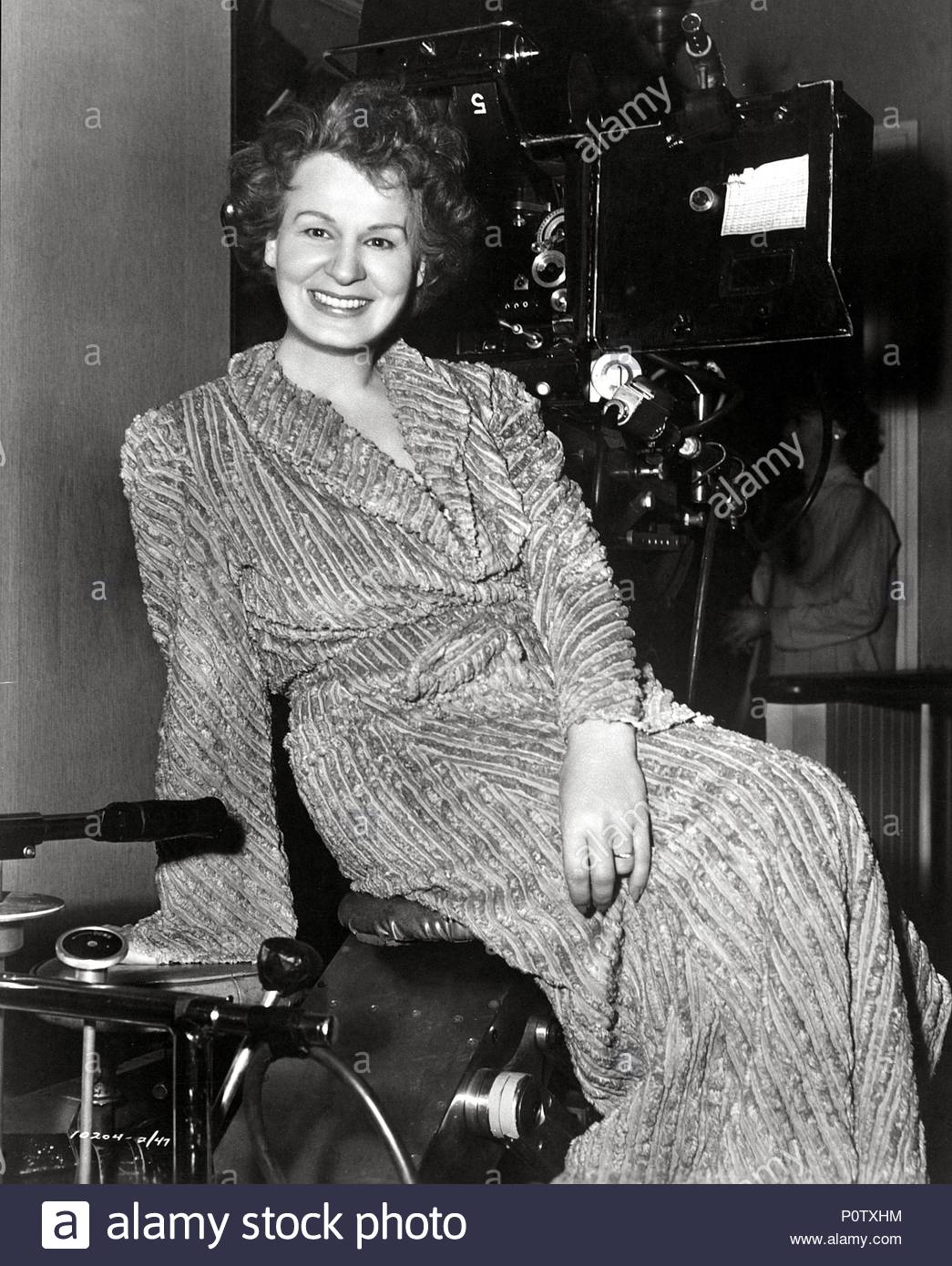
Astor in 1930
ABOUT:
Born Lucile Vasconcellos Lang Hanke, May 3, 1906, Quincy, Illinois, U.S.
Died September 25, 1987 (aged 81), Los Angeles, California, U.S.
Resting place Holy Cross Cemetery
Occupation Actress
Years active 1921–1964
Political party Democratic
Spouses:
1.Kenneth Hawks-(m. 1928; died 1930)
2.Franklyn Thorpe-(m. 1931; div. 1935)
3.Manuel del Campo-(m. 1936; div. 1941)
4.Thomas Gordon Wheelock-(m. 1945; div. 1955)
Children 2
Relatives
Howard Hawks (brother-in-law)
William Hawks (brother-in-law)
Bessie Love (sister-in-law)
Athole Shearer (sister-in-law)
Awards Hollywood Walk of Fame
Introduction:
.webp)
Mary Astor (born Lucile Vasconcellos Lang Hanke; May 3, 1906 – September 25, 1987) was an American actress. Although her career spanned several decades, she may be best remembered for her performance as Brigid O'Shaughnessy in The Maltese Falcon (1941).
Astor began her long motion picture career when a teenager in the silent movies of the early 1920s. When talkies arrived, her voice was initially considered too masculine and she was off the screen for a year. After she appeared in a play with friend Florence Eldridge, film offers returned, and she resumed her career in sound pictures.
In 1936, Astor's career was nearly destroyed by scandal. She had an affair with playwright George S. Kaufman and was branded an adulterous wife by her former husband during a custody fight over their daughter. Overcoming these stumbling blocks in her private life, she went on to greater film success, eventually winning an Academy Award for Best Supporting Actress for her portrayal of concert pianist Sandra Kovak in The Great Lie (1941).

Astor was a Metro-Goldwyn-Mayer contract player through most of the 1940s and continued to work in film, television and on stage until her retirement in 1964. She authored five novels. Her autobiography was a bestseller, as was her later book, A Life on Film, which was about her career.
Director Lindsay Anderson wrote of Astor in 1990 that when "two or three who love the cinema are gathered together, the name of Mary Astor always comes up, and everybody agrees that she was an actress of special attraction, whose qualities of depth and reality always seemed to illuminate the parts she played."
Life and career:

Find sources: "Mary Astor" – news · newspapers · books · scholar · JSTOR (July 2023) (Learn how and when to remove this message)
Astor was born in Quincy, Illinois, the only child of Otto Ludwig Wilhelm Langhanke and Helen Marie de Vasconcellos. Her parents were teachers. Her German father immigrated to the United States from Berlin in 1891 and became a naturalized U.S. citizen; her American mother was born in Jacksonville, Illinois, and had Portuguese roots. They married on August 3, 1904, in Lyons, Kansas.
Astor's father taught German at Quincy High School until the U.S. entered World War I. Later on, he took up light farming. Astor's mother, who had always wanted to be an actress, taught drama and elocution. Astor was home-schooled in academics and was taught to play the piano by her father, who insisted she practice daily.[citation needed] Her piano talents came in handy when she played piano in her films The Great Lie and Meet Me in St. Louis.

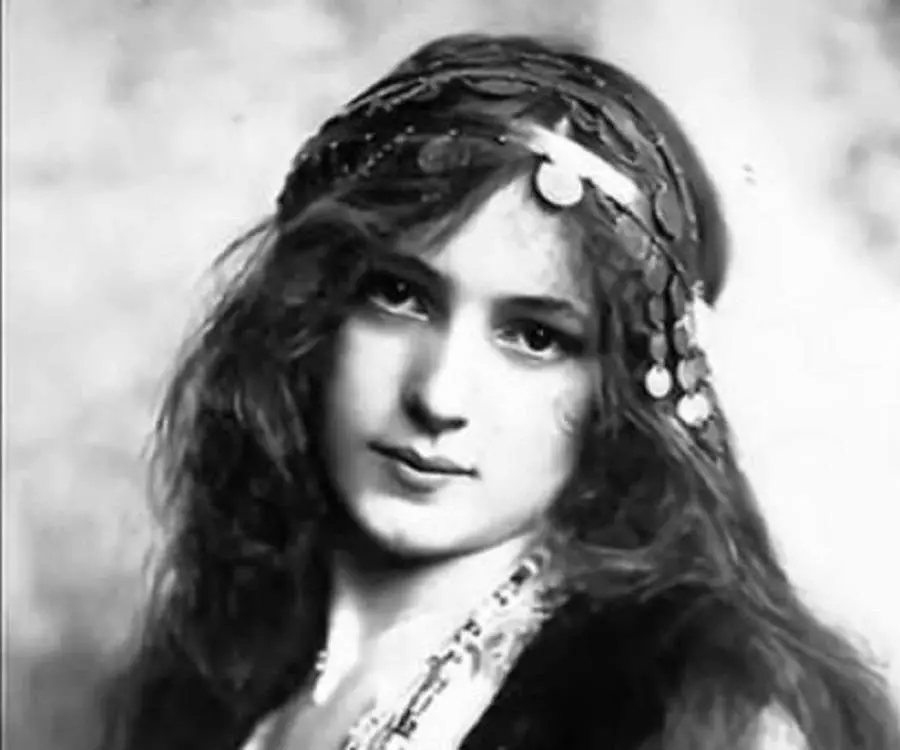
In 1919, Astor sent a photograph of herself to a beauty contest in Motion Picture Magazine, becoming a semifinalist. When Astor was 15, the family moved to Chicago, Illinois,[4] with her father teaching German in public schools. Astor took drama lessons and appeared in various amateur stage productions. The following year, she sent another photograph to Motion Picture Magazine, this time becoming a finalist and then runner-up in the national contest. Her father then moved the family to New York City, in order for his daughter to act in motion pictures. He managed her affairs from September 1920 to June 1930.[citation needed]
A Manhattan photographer, Charles Albin, saw her photograph and asked the young girl with haunting eyes and long auburn hair whose nickname was "Rusty" to pose for him. The Albin photographs were seen by Harry Durant of Famous Players–Lasky and Astor was signed to a six-month contract with Paramount Pictures. Her name was changed to Mary Astor during a conference among Paramount Pictures chief Jesse Lasky, film producer Walter Wanger, and gossip columnist Louella Parsons.
Silent movie career:
.png)
Newspaper clipping, May 19, 1921

A 1924 publicity photo of Astor from Stars of the Photoplay
Astor's first screen test was directed by Lillian Gish, who was so impressed with her recitation of Shakespeare that she shot a thousand feet of film with her.
She made her debut at age 14 in the 1921 film Sentimental Tommy, but her small part in a dream sequence wound up on the cutting room floor. Paramount let her contract lapse. She then appeared in some movie shorts with sequences based on famous paintings. She received critical recognition for the 1921 two-reeler The Beggar Maid. Her first feature-length movie was John Smith (1922), followed that same year by The Man Who Played God. In 1923, she and her parents moved to Hollywood.

After appearing in several larger roles at various studios, she was again signed by Paramount, this time to a one-year contract at $500 a week. After she appeared in several more movies, John Barrymore saw her photograph in a magazine and wanted her cast in his upcoming movie. On loan-out to Warner Bros., she starred with him in Beau Brummel (1924). The older actor wooed the young actress, but their relationship was severely constrained by Astor's parents' unwillingness to let the couple spend time alone together; Mary was only seventeen and underage. It was only after Barrymore convinced the Langhankes that his acting lessons required privacy that the couple managed to be alone at all. Their secret engagement ended largely because of the Langhankes' interference and Astor's inability to escape their heavy-handed authority, and because Barrymore became involved with Astor's fellow WAMPAS Baby Star Dolores Costello, whom he later married.

In 1925, Astor's parents bought a Moorish style mansion with 1 acre (4,000 m2) of land known as "Moorcrest" in the hills above Hollywood. The Langhankes not only lived lavishly off of Astor's earnings, but kept her a virtual prisoner inside Moorcrest. Moorcrest is known not only for its ornate style, but its place as the most lavish residence associated with the Krotona Colony, a utopian society founded by the Theosophical Society in 1912. Built by Marie Russak Hotchener, a Theosophist who had no formal architectural training, the house combines Moorish and Mission Revival styles and contains such Arts and Crafts features as art-glass windows (whose red lotus design Astor called "unfortunate"), and Batchelder tiles. Moorcrest, which has since undergone a multimillion-dollar renovation, remains standing. Before the Langhankes bought it, it was rented by Charlie Chaplin, whose tenure is memorialized by an art glass window featuring the Little Tramp.

A 1931 publicity photo of Astor for Argentinean Magazine
Astor's parents were not Theosophists, though the family was friendly with both Marie Hotchener and her husband Harry, prominent Theosophical Society members. Hotchener negotiated Astor's right to a $5 a week allowance (at a time when she was making $2,500 a week) and the right to go to work unchaperoned by her mother. The following year when she was 19, Astor, fed up with her father's constant physical and psychological abuse as well as his control of her money, climbed from her second floor bedroom window and escaped to a hotel in Hollywood, as recounted in her memoirs. Hotchener facilitated her return by persuading Otto Langhanke to give Astor a savings account with $500 and the freedom to come and go as she pleased. Nevertheless, Astor did not gain control of her salary until she was 26 years old, at which point her parents sued her for financial support. Astor settled the case by agreeing to pay her parents $100 a month. Otto Langhanke put Moorcrest up for auction in the early 1930s, hoping to realize more than the $80,000 he had been offered for it; it sold for $25,000.
.jpg)
Astor continued to appear in movies at various studios. When her Paramount contract ended in 1925, she was signed at Warner Bros. Among her assignments was another role with John Barrymore, this time in Don Juan (1926). She was named one of the WAMPAS Baby Stars in 1926, along with Mary Brian, Dolores Costello, Joan Crawford, Dolores del Río, Janet Gaynor, and Fay Wray. On loan to Fox Film Corporation, Astor starred in Dressed to Kill (1928), which received good reviews, and the sophisticated comedy Dry Martini (also 1928). She later said that, while working on the latter, she "absorbed and assumed something of the atmosphere and emotional climate of the picture." She said it offered "a new and exciting point of view; with its specious doctrine of self-indulgence, it rushed into the vacuum of my moral sense and captivated me completely." When her Warner Bros. contract ended, she signed a contract with Fox for $3,750 a week. In 1928, she married director Kenneth Hawks at her family home, Moorcrest. He gave her a Packard automobile as a wedding present and the couple moved into a home high up on Lookout Mountain, Los Angeles above Beverly Hills. As the film industry made the transition to talkies, Fox gave her a sound test, which she failed because the studio found her voice to be too deep. Though this result was probably due to early sound equipment and inexperienced technicians, the studio released her from her contract and she found herself out of work for eight months in 1929.
New beginnings:

With Clark Gable in Red Dust (1932)
During her time off, Astor took voice training and singing lessons with Francis Stuart,an exponent of Francesco Lamperti, but no roles were offered. Her acting career was then given a boost by her friend, Florence Eldridge, (wife of Fredric March), in whom she confided. Eldridge, who was to star in the stage play Among the Married at the Majestic Theatre in Downtown Los Angeles, recommended Astor for the second female lead. The play was a success, and her voice was deemed suitable, being described as low and vibrant. She was happy to work again, but her happiness soon ended. On January 2, 1930, while filming sequences for the Fox movie Such Men Are Dangerous, Kenneth Hawks was killed in a mid-air plane crash over the Pacific. Astor had just finished a matinee performance at the Majestic when Florence Eldridge gave her the news. She was rushed from the theatre to Eldridge's apartment. A replacement, Doris Lloyd, stepped in for the next show. Astor remained with Eldridge at her apartment for some time, then soon returned to work.
.jpeg)
Shortly after her husband's death, she debuted in her first talkie, Ladies Love Brutes (1930) at Paramount, in which she co-starred with her friend Fredric March. While her career picked up, her private life remained difficult. After working on several more movies, she suffered delayed shock over her husband's death and had a nervous breakdown. During the months of her illness, she was attended to by Dr. Franklyn Thorpe, whom she married on June 29, 1931. That year, she starred as Nancy Gibson in Smart Woman, playing a woman determined to retrieve her husband from a gold-digging flirtation.
In May 1932, the Thorpes purchased a yacht and sailed to Hawaii. Astor was expecting a baby in August, but gave birth in June in Honolulu. The child, a daughter, was named Marylyn Hauoli Thorpe: her first name combined her parents' names, and her middle name is Hawaiian (Hau'oli is a Hawaiian word that means joyful, happy, full of delight). When they returned to Southern California, Astor freelanced and gained the pivotal role of Barbara Willis in MGM's Red Dust (1932) with Clark Gable and Jean Harlow. In late 1932, Astor signed a featured player contract with Warner Bros. Meanwhile, besides spending lavishly, her parents invested in the stock market, which often turned out unprofitable. While they remained in Moorcrest, Astor dubbed it a "white elephant," and she refused to maintain the house. She had to turn to the Motion Picture Relief Fund in 1933 to pay her bills. She appeared as the female lead, Hilda Lake, niece of the murder victims, in The Kennel Murder Case (1933), co-starring with William Powell as detective Philo Vance. Film critic William K. Everson pronounced it a "masterpiece" in the August 1984 issue of Films in Review.

Soon unhappy with her marriage, due to Thorpe having a short temper and a habit of listing her faults, by 1933 Astor wanted a divorce. At a friend's suggestion, she took a break from movie-making in 1933 and visited New York alone. While there, enjoying a whirlwind social life, she met the playwright George S. Kaufman, who was in a strong, but open marriage. She documented their affair in her diary. Thorpe, by now making use of his wife's income, discovered Astor's diary, and told Astor that her liaisons with other men, including Kaufman, would be used in any divorce proceeding to support the charge that she was an unfit mother.
Custody case:

Astor with her daughter, Marylyn Thorpe, and her son, Anthony del Campo (1944)
Thorpe divorced Astor in April 1935.A custody battle over their four-year-old daughter, Marylyn, drew press attention to Astor in 1936. Astor's diary was never formally offered as evidence during the trial, but Thorpe and his lawyers constantly referred to it, and its notoriety grew. Astor admitted that the diary existed and that she had documented her affair with Kaufman but maintained that many of the parts that had been referred to were forgeries, following the theft of the diary from her desk. The diary was deemed inadmissible as a mutilated document because Thorpe had removed pages referring to himself and had fabricated content. The trial judge, Goodwin J. Knight, ordered it sealed and impounded. Florabel Muir, then with the New York Daily News, is known to have invented fabricated diary passages in her articles.

News of the diary became public when Astor's role in Dodsworth (1936), as Edith Cortwright, was beginning to be filmed. Producer Samuel Goldwyn was urged to fire her because her contract included a morals clause. Goldwyn refused. With Walter Huston in the title role, Dodsworth received rave reviews on release, and the public's acceptance assured the studios that casting Astor remained a viable proposition. Ultimately, the scandal caused minimal harm to Astor's career, which was actually revitalized because of the custody fight and the publicity it generated.
In 1952, by court order, Astor's diary was removed from the bank vault where it had been sequestered for 16 years and was destroyed.
Mid-career:

The trailer for The Hurricane (1937)
In 1937, Astor returned to the stage in well-received productions of Noël Coward's Tonight at 8.30, The Astonished Heart, and Still Life. She also began performing regularly on radio. Over the next few years, she had roles on film in The Prisoner of Zenda (1937), John Ford's The Hurricane (1937), Midnight (1939) and Brigham Young (1940). In John Huston’s classic The Maltese Falcon (1941), Astor played scheming temptress Brigid O'Shaughnessy. The film, based on the novel by Dashiell Hammett, also starred Humphrey Bogart and featured Peter Lorre and Sydney Greenstreet. For her performance in The Great Lie (also in 1941) she won an Oscar as Best Supporting Actress in the 14th Academy Awards. As Sandra Kovak, the self-absorbed concert pianist who relinquishes her unborn child, her intermittent love interest was played by George Brent, but the film's star was Bette Davis. Davis wanted Astor cast in the role after watching her screen test and seeing her play Tchaikovsky's Piano Concerto No. 1. She then recruited Astor to collaborate on rewriting the script, which Davis felt was mediocre and needed work to make it more interesting. Astor further followed Davis's advice and sported a bobbed hairdo for the role.

Humphrey Bogart, Mary Astor, Barton MacLane, Peter Lorre and Ward Bond in The Maltese Falcon (1941)
The soundtrack of the movie in the scenes where she plays the concerto, with violent hand movements on the piano keyboard, was dubbed by pianist Max Rabinovitch. Davis deliberately stepped back to allow Astor to shine in her key scenes. In her Oscar acceptance speech, Astor thanked Bette Davis and Tchaikovsky. Astor and Davis became good friends.

Astor was not propelled into the upper echelon of movie stars by these successes, however. She always declined offers to star in her own right. Not wanting the responsibility of top billing and having to carry the picture, she preferred the security of being a featured player. She reunited with Humphrey Bogart and Sydney Greenstreet in John Huston's Across the Pacific (1942). Though usually cast in dramatic or melodramatic roles, Astor showed a flair for comedy as The Princess Centimillia in the Preston Sturges film, The Palm Beach Story (also 1942) for Paramount.
In February 1943, Astor's father, Otto Langhanke, died in Cedars of Lebanon Hospital as a result of a heart attack complicated by influenza. His wife and daughter were at his bedside.

Astor in the trailer for The Great Lie (1941)
That same year, Astor signed a seven-year contract with Metro-Goldwyn-Mayer (MGM), a move she soon came to regret. She was kept busy, playing what appeared to be under-written and largely interchangeable supporting roles, a category Astor later dubbed "Mothers for Metro."[19] After Meet Me in St. Louis (1944), the studio allowed her to debut on Broadway in Many Happy Returns (1945). The play was a failure, but Astor received good reviews. On loan-out to 20th Century Fox, she played a wealthy widow in Claudia and David (1946). She was also loaned to Paramount to play Fritzi Haller in Desert Fury (1947), the tough owner of a saloon and casino in a small mining town.
Before Helen Langhanke died of a heart ailment in January 1947, Astor said she sat in the hospital room with her mother, who was delirious and did not know her, and she listened quietly as her mother told her all about terrible, selfish Lucile, referring to Astor by her birth name. After her death, Astor said she spent countless hours copying her mother's diary so she could read it and was surprised to learn how much she was hated.
.jpeg)
At MGM, Astor continued being cast in undistinguished, colorless mother roles. One exception was when she played a prostitute in the film noir Act of Violence (1948). The last straw came when she was cast as Marmee March in Little Women (1949). Astor found no redemption in playing what she considered another humdrum mother and grew despondent. She later described her disappointment with her cast members and the shoot in her memoir A Life on Film:
The girls all giggled and chattered and made a game of every scene. Taylor was engaged, and in love, and talking on the telephone most of the time (which is fine normally, but not when the production clock is ticking away the company's money). June Allyson chewed gum constantly and irritatingly, and Maggie O'Brien looked at me as though she were planning something very unpleasant.
The studio wanted to renew her contract, promising better roles, but she declined the offer.
Middle years:
This section needs additional citations for verification. Please help improve this article by adding citations to reliable sources in this section. Unsourced material may be challenged and removed. (March 2020) (Learn how and when to remove this message)

Fiesta (1947)
At the same time, Astor's drinking was growing troublesome. She admitted to alcoholism as far back as the 1930s, but it had never interfered with her work schedule or performance. She hit bottom in 1949 and went into a sanitarium for alcoholics.
In 1951, she made a frantic call to her priest and said that she had taken too many sleeping pills. She was taken to a hospital and the police reported that she had attempted suicide, this being her third overdose in two years. The story made headline news. She maintained it had been an accident.
That same year, she joined Alcoholics Anonymous and converted to Roman Catholicism. She credited her recovery to a priest, Peter Ciklic, also a practicing psychologist, who encouraged her to write about her experiences as part of therapy. She also separated from her fourth husband, Thomas Wheelock (a stockbroker she married on Christmas Day 1945), but did not actually divorce him until 1955.
.jpeg)
In 1952, she was cast in the leading role of the play The Time of the Cuckoo, which was later made into the movie Summertime (1955), and subsequently toured with it. After the tour, Astor lived in New York for four years and worked in the theater and on television. During the 1952 presidential election, Astor, a lifelong Democrat, supported the campaign of Adlai Stevenson.
Her TV debut was in The Missing Years (1954) for Kraft Television Theatre. She acted frequently in TV during the ensuing years and appeared on many big shows of the time, including The United States Steel Hour, Alfred Hitchcock Presents, Rawhide, Dr. Kildare, Burke's Law, and Ben Casey. In 1954, she appeared in the episode "Fearful Hour" of the Gary Merrill NBC series Justice in the role of a desperately poor and aging film star who attempts suicide to avoid exposure as a thief. She also played an ex-film star on the Boris Karloff-hosted Thriller in an episode titled "Rose's Last Summer."
Astor starred on Broadway again in The Starcross Story (1954), another failure, and returned to southern California in 1956. She then went on a successful theatre tour of Don Juan in Hell directed by Agnes Moorehead and co-starring Ricardo Montalbán.
.jpeg)
Astor's memoir, My Story: An Autobiography, was published in 1959, becoming a sensation in its day and a bestseller. It was the result of Father Ciklic urging her to write. Though she spoke of her troubled personal life, her parents, her marriages, the scandals, her battle with alcoholism, and other areas of her life, she did not mention the movie industry or her career in detail. In 1971, a second book was published, A Life on Film, where she discussed her career. It, too, became a bestseller. Astor also tried her hand at fiction, writing the novels The Incredible Charley Carewe (1960), The Image of Kate (1962), which was published in 1964 in a German translation as Jahre und Tage, The O'Conners (1964), Goodbye, Darling, be Happy (1965), and A Place Called Saturday (1968).
Astor appeared in several movies during this time, including Stranger in My Arms (1959). She made a comeback in Return to Peyton Place (1961) playing Roberta Carter, the domineering mother who insists the "shocking" novel written by Allison Mackenzie should be banned from the school library, and received good reviews for her performance. According to film scholar Gavin Lambert, Astor invented memorable bits of business in her last scene of that film, where Roberta's vindictive motives are exposed.
Final years and death:

Astor's grave at Holy Cross Cemetery:
After a trip around the world in 1964, Astor was lured away from her Malibu, California home, where she was gardening and working on her third novel, to make what she decided would be her final film. She was offered the small role as a key figure, Jewel Mayhew, in the murder mystery Hush...Hush, Sweet Charlotte (1964), starring her friend Bette Davis. She filmed her final scene with Cecil Kellaway at Oak Alley Plantation in southern Louisiana. In A Life on Film, she described her character as "a little old lady, waiting to die." Astor decided it would serve as her swan song in the movie business. After 109 movies in a career spanning 45 years, she turned in her Screen Actors Guild card and retired.

Astor later moved to Fountain Valley, California, where she lived near her son, Anthony del Campo (from her third marriage to Mexican film editor Manuel del Campo), and his family, until 1971. That same year, suffering from a chronic heart condition, she moved to a small cottage on the grounds of the Motion Picture & Television Country House, the industry's retirement facility in Woodland Hills, Los Angeles, where she had a private table when she chose to eat in the resident dining room. She appeared in the television documentary series Hollywood: A Celebration of the American Silent Film (1980), co-produced by Kevin Brownlow, in which she discussed her roles during the silent film period. After years of retirement, she had been urged to appear in Brownlow's documentary by a former sister-in-law Bessie Love, who also appeared in the series.
Astor died on September 25, 1987, at age 81, of respiratory failure due to pulmonary emphysema while in the hospital at the Motion Picture House complex. She is interred in Holy Cross Cemetery in Culver City, California. Astor has a motion pictures star on the Hollywood Walk of Fame at 6701 Hollywood Boulevard.
Filmography for the actress Mary Astor:
Silent films: 1920–1929
Year Film Role Notes

_-_1.jpg)


Scenes deleted
My Lady o' the Pines Norah Collison Short subject
Brother of the Bear Marcia Harthorn Short subject
Uncredited role
The Beggar Maid Peasant Girl / Beggar Maid Short subject
Uncredited role
Wings of the Border Bit part Uncredited role
Bullets or Ballots Bit part Uncredited role
The Bashful Suitor Bit part Uncredited role
1922 The Young Painter Helen Seymour Short subject
Lost film
John Smith Irene Mason Lost film
Hope Hope Short subject
The Man Who Played God Young Woman
The Rapids Elsie Worden Lost film
The Angelus Bit part Uncredited role
One Exciting Night Young mother who dies in Africa Uncredited Bit role; (unconfirmed)
1923 Second Fiddle Polly Crawford
Success Rose Randolph Lost film
The Bright Shawl Narcissa Escobar
Hollywood Herself cameo
Lost film
Puritan Passions Rachel Lost film
The Marriage Maker Vivian Hope-Clarke Lost film
Woman-Proof Violet Lynwood Lost film
To the Ladies Bit part Uncredited role
Lost film
1924 The Fighting Coward Lucy
Beau Brummel Lady Margery Alvanley
The Fighting American Mary O'Mallory
Unguarded Women Helen Castle Lost film
The Price of a Party Alice Barrows Incomplete film
Inez from Hollywood Fay Bartholdi Lost film
1925 Oh Doctor! Dolores Hicks
Enticement Leonore Bewlay Lost film
Playing with Souls Margo Lost film
Don Q, Son of Zorro Dolores de Muro
The Pace That Thrills Doris Lost film
Scarlet Saint Fidele Tridon Lost film
1926 High Steppers Audrey Nye Lost film
The Wise Guy Mary
Don Juan Adriana della Varnese
Forever After Jennie Clayton
1927 The Sea Tiger Amy Cortissos Lost film
The Sunset Derby Molly Gibson Lost film
Two Arabian Knights Mirza
Rose of the Golden West Elena
The Rough Riders Dolly Incomplete film
No Place to Go Sally Montgomery Incomplete BFI Institute, one reel missing
1928 Sailors' Wives Carol Trent Lost film
Dressed to Kill Jean MacDonald
Three-Ring Marriage Anna Lost film
Heart to Heart Princess Delatorre / Ellen Guthrie
Dry Martini Elizabeth Quimby Lost film
Romance of the Underworld Judith Andrews
1929 New Year's Eve Marjorie Ware Lost film
The Woman from Hell Dee Renaud Lost film
Sound films: 1929–1964:
Year Film Role Notes
_half-sheet.jpg)
1929 The Show of Shows Performer in 'The Pirate' Number
1930 The Runaway Bride Mary Gray, AKA Sally Fairchild
Ladies Love Brutes Mimi Howell
Holiday Julia Seton
The Lash Rosita Garcia
1931 The Royal Bed Princess Anne
Other Men's Women Lily Kulper
Behind Office Doors Mary Linden
The Sin Ship Frisco Kitty
White Shoulders Norma Selbee Lost film
Smart Woman Mrs. Nancy Gibson
Men of Chance Martha Silk
1932 The Lost Squadron Follette Marsh
Those We Love May Ballard
A Successful Calamity Emmy 'Sweetie' Wilton
Red Dust Barbara Willis
1933 The Little Giant Ruth Wayburn
Jennie Gerhardt Letty Pace
The Kennel Murder Case Hilda Lake
The World Changes Virginia 'Ginny' Clafflin Nordholm
Convention City Arlene Dale Lost film
1934 Easy to Love Charlotte Hopkins
Upper World Mrs. Hettie Stream
Return of the Terror Olga Morgan
The Man with Two Faces Jessica Wells
The Case of the Howling Dog Bessie Foley
I Am a Thief Odette Mauclair
1935 Red Hot Tires Patricia Sanford
Straight from the Heart Marian Henshaw
Dinky Mrs. Martha Daniels
Page Miss Glory Gladys Russell
Man of Iron Vida
1936 The Murder of Dr. Harrigan Lillian Cooper
And So They Were Married Edith Farnham
Trapped by Television Barbara 'Bobby' Blake
Dodsworth Mrs. Edith Cortright
Lady from Nowhere Polly Dunlap
1937 The Prisoner of Zenda Antoinette de Mauban
The Hurricane Madame Germaine De Laage
1938 No Time to Marry Kay McGowan
Paradise for Three Mrs. Irene Mallebre
There's Always a Woman Lola Fraser
Woman Against Woman Cynthia Holland
Listen, Darling Mrs. Dorothy 'Dottie' Wingate
1939 Midnight Helene Flammarion
1940 Turnabout Marion Manning
Brigham Young Mary Ann Young
1941 The Great Lie Sandra Kovak Academy Award for Best Supporting Actress
The Maltese Falcon Brigid O'Shaughnessy
1942 The Palm Beach Story The Princess Centimillia
Across the Pacific Alberta Marlow
1943 Young Ideas Josephine 'Jo' Evans
Thousands Cheer Hyllary Jones
1944 Meet Me in St. Louis Mrs. Anna Smith
Blonde Fever Delilah Donay
1946 Claudia and David Elizabeth Van Doren
1947 Fiesta Señora Morales
Desert Fury Fritzi Haller
Cynthia Louise Bishop
Cass Timberlane Queenie Havock
1949 Act of Violence Pat
Little Women Mrs. March / 'Marmee'
Any Number Can Play Ada
1953 Yesterday and Today Silent film compilation (archive footage only)
1956 A Kiss Before Dying Mrs. Corliss
The Power and the Prize Mrs. George Salt
1957 The Devil's Hairpin Mrs. Jargin
1958 This Happy Feeling Mrs. Tremaine
1959 A Stranger in My Arms Virgily Beasley
1961 Return to Peyton Place Mrs. Roberta Carter
Rawhide Emma Cardwell S3:E13, "Incident of the Promised Land"
1964 Youngblood Hawke Irene Perry
Hush...Hush, Sweet Charlotte Mrs. Jewel Mayhew
Selected television appearances:
Alfred Hitchcock Presents (1958) (Season 4 Episode 12: "Mrs. Herman and Mrs. Fenimore") as Mrs. Fenimore
Alfred Hitchcock Presents (1959) (Season 4 Episode 28: "The Impossible Dream") as Grace Doladio appearances
Year Program Episode/source
1939 The Campbell Playhouse "The Hurricane"
1941 Gulf Screen Guild Theatre No Time for Comedy
1944 Inner Sanctum Mystery "The Melody of Death" (April 22)


_half-sheet.jpg)
*****
=============================================================================================

Comments
Post a Comment